
Rolex Super Clone
Showing 49–64 of 430 resultsSorted by popularity
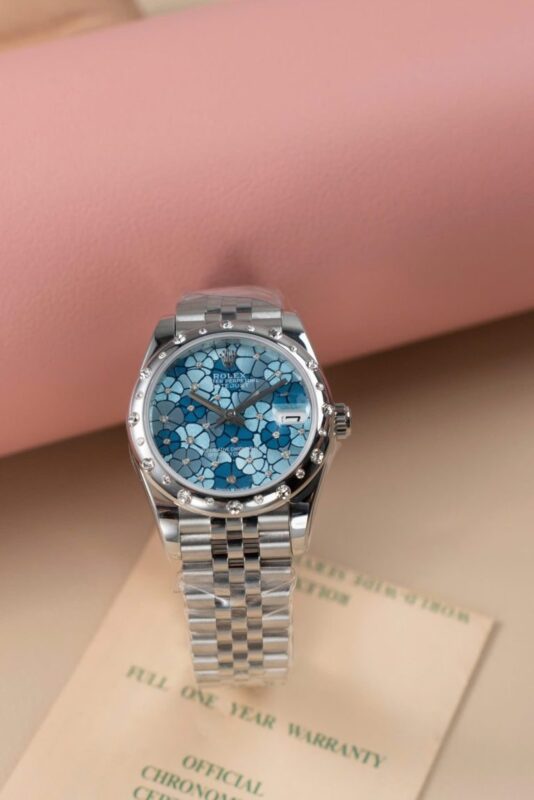
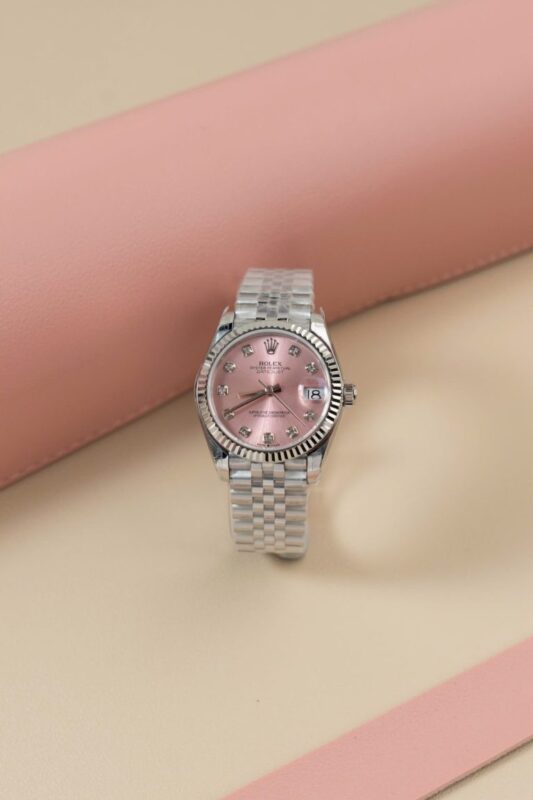
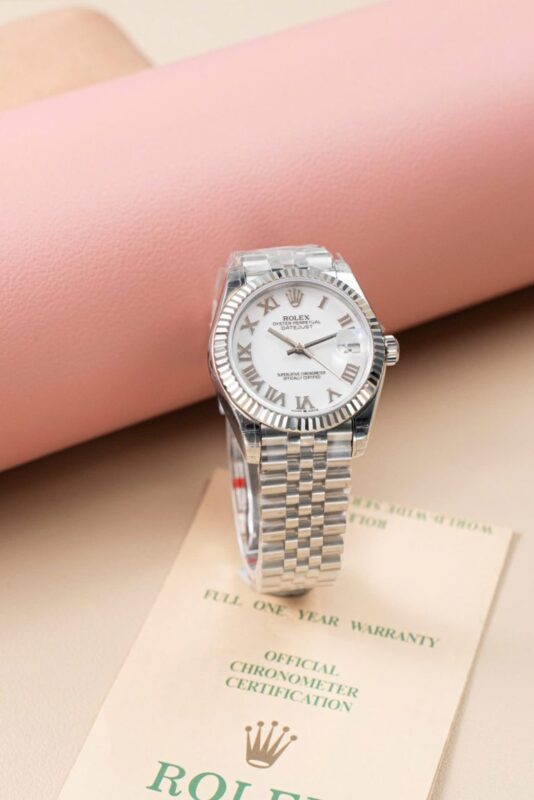

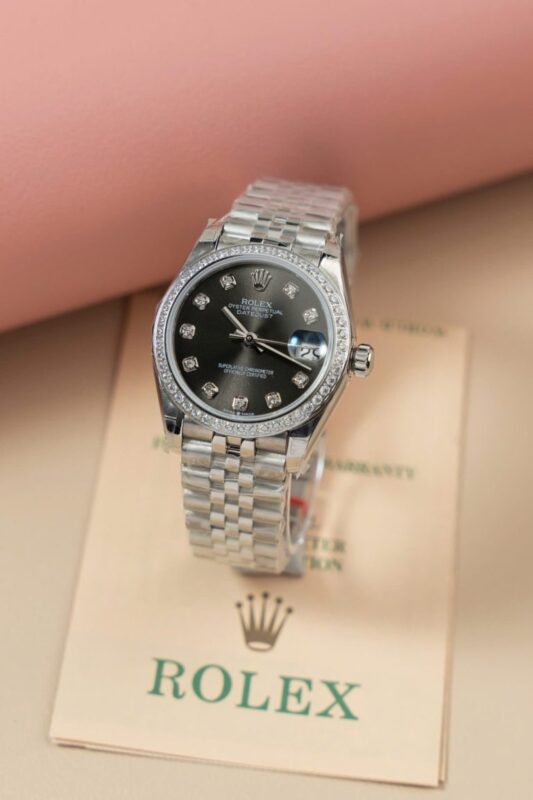


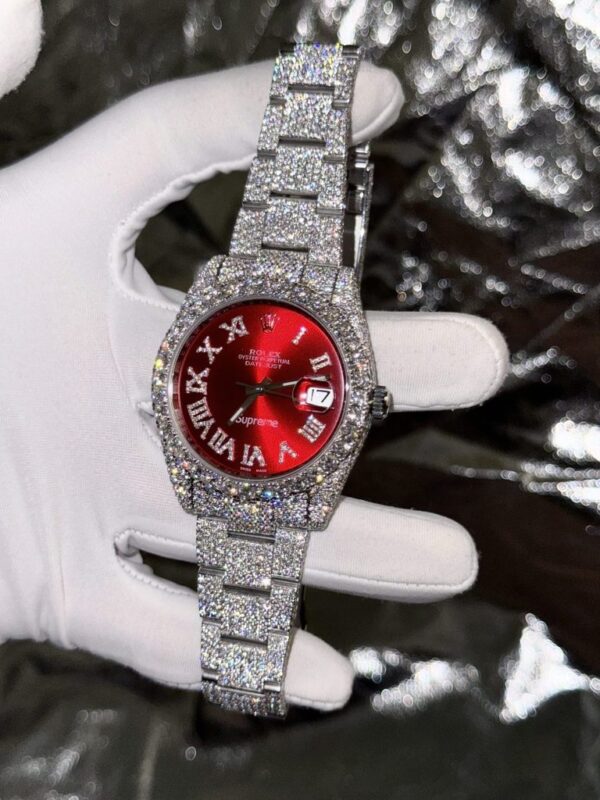

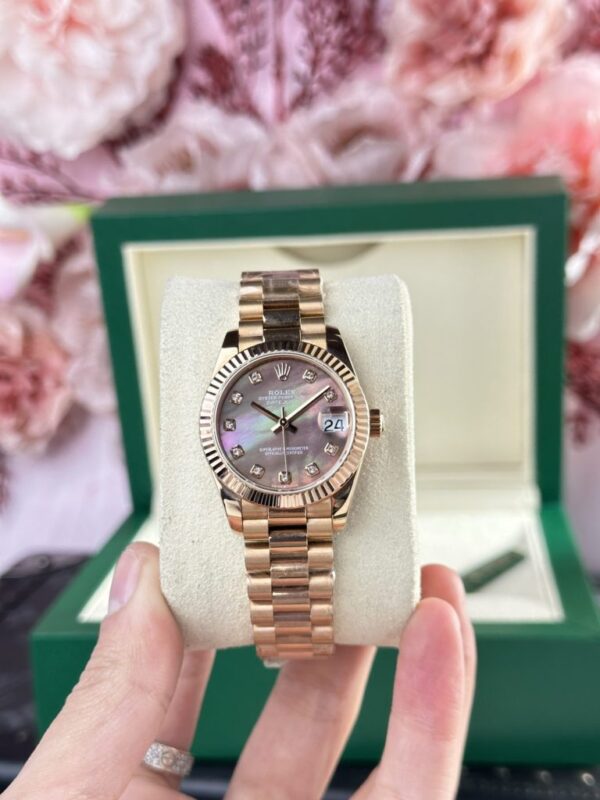
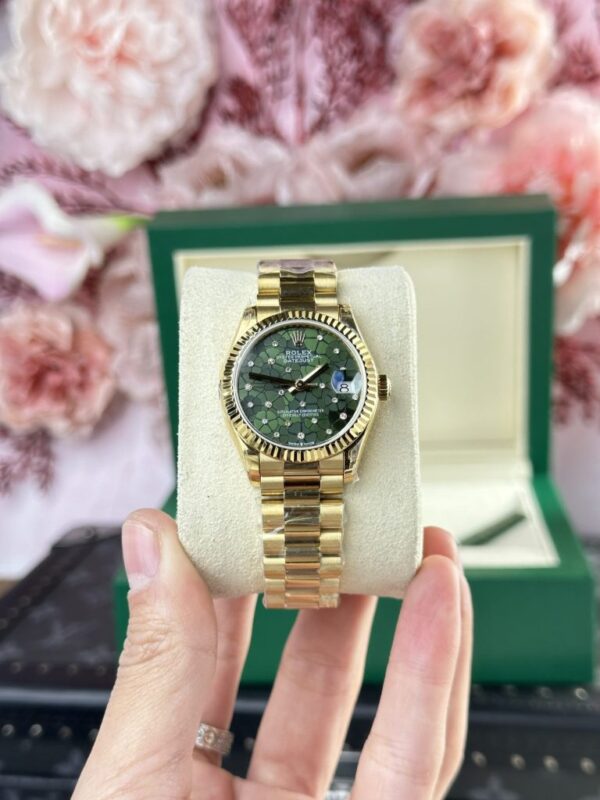
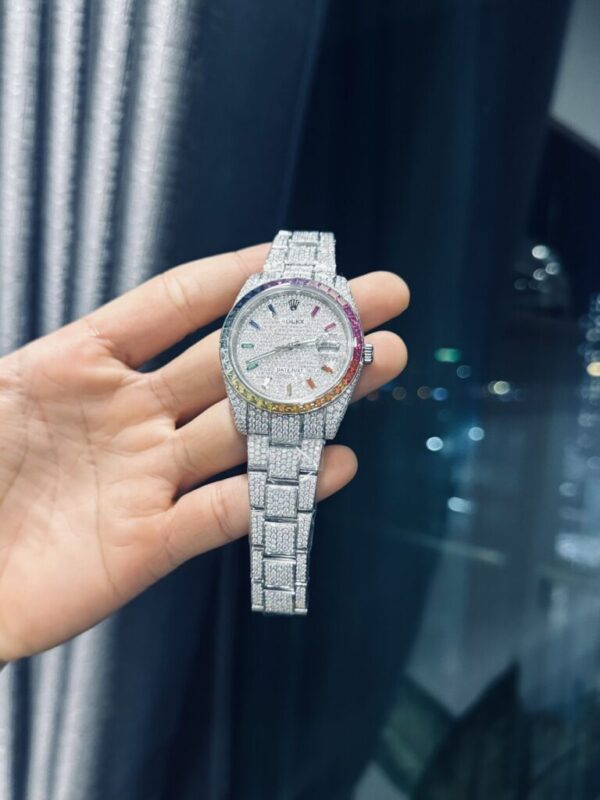
People shopping for Rolex super clone watches usually aren’t starting from zero. They already have a picture in mind: a black Submariner on Oyster, a Wimbledon Datejust, a white-dial Daytona, a Pepsi GMT-Master II, maybe a Day-Date with more flash.
That’s the right starting point.
Asking which Rolex clone is “best” sounds neat, but it doesn’t tell you much. A 36mm Datejust and a 42mm Explorer II wear nothing alike. A Daytona and a Submariner don’t scratch the same itch. Even two versions of the same model can feel different once you change the bracelet, bezel, case size, or dial.
The smarter approach is simple: decide which Rolex super clone you actually want, then sort out the details after that.
Reference numbers save you from bad comparisons
A lot of buyers shop by model name only. That’s where the confusion starts.
Take the Submariner. A black Submariner sounds specific until you realize a 124060 no-date and a 126610LN date model are different watches, and older references shift the proportions again. Put them side by side and the distinction is obvious.
Datejust listings get messy even faster. A Rolex super clone Datejust might be 31mm, 36mm, or 41mm. It might have an Oyster bracelet or Jubilee, a smooth bezel or fluted one, Roman numerals, stick markers, diamonds, steel, or a two-tone finish. The word “Datejust” in the title doesn’t narrow much down.
Daytona buyers tend to be even more exact. Someone looking for a steel Panda usually isn’t open to a yellow-gold version just because both come from a well-liked batch. GMT-Master II shoppers are the same way with Pepsi, Batman, Batgirl, and Sprite setups.
That’s why the reference matters.
You don’t need to memorize Rolex’s whole catalog. Just make sure the Rolex super clone watch you’re comparing is meant to be the same reference. Once you’ve done that, the rest of the judging gets cleaner.
Start with wrist feel, not forum rankings
If the catalog feels too broad, think less about internet favorites and more about how the watch is supposed to live on your wrist.
The Submariner is the default for a reason. It has the familiar Rolex sports-watch look, enough presence to stand out, and the standard steel versions work with almost anything. No-date models look cleaner. Date versions bring the cyclops and a busier dial.
A GMT-Master II starts from the same sports-watch base, then changes the mood with the bezel. Pepsi, Batman, and Sprite don’t read the same at all. Jubilee pushes it dressier. Oyster keeps it more direct.
The Daytona is another animal. The chronograph layout fills the dial, the bezel gets more visual weight, and the watch draws attention even though the case isn’t huge. If you like compact proportions and a dial with a lot going on, a Rolex super clone Daytona doesn’t have a clean substitute elsewhere in the lineup.
Then there’s the Datejust. It’s harder to pin down.
A smooth-bezel Datejust on Oyster can look restrained. Switch to a fluted bezel, Jubilee bracelet, and a brighter dial, and suddenly it’s one of the most recognizable Rolex configurations made. That’s why shopping for a Datejust by model name alone usually leads nowhere.
The Day-Date sits further into statement-watch territory. President bracelet, precious-metal look, day display. Different feel entirely. If that’s what you want, choosing a Submariner because someone ranked it higher misses the point.
Explorer, Explorer II, Air-King, Oyster Perpetual, and the 1908 fill the gaps for buyers who want something less obvious. They get less attention. That can be part of the appeal.
That’s also why treating every Rolex super clone as though it should be judged by the same checklist doesn’t work particularly well. The watch you’re actually interested in changes what matters.
Don’t let the dial make the whole decision for you
This mistake is common.
A dial catches your eye in a listing photo, and everything else fades into the background. Green Datejust. Tiffany-style Oyster Perpetual. Blue Daytona. Meteorite-look GMT. A few minutes later, you’re shopping the color more than the watch.
The dial matters. The full configuration matters more.
Settle the case size first. A Datejust 36 and Datejust 41 can share the same basic look on paper and still wear very differently. One isn’t automatically better. One just fits your wrist and your style better.
Next comes the bracelet. Oyster gives many Rolex super clone watches a cleaner, sportier look. Jubilee adds texture and changes how a Datejust or GMT comes across. Oysterflex is its own thing, and on a Daytona it can make an otherwise flashy watch feel more casual.
With a Rolex super clone, these choices aren’t background details. They can change the personality of the watch more than the dial color that first got your attention.
Then check the bezel. A smooth bezel leaves more room for the dial to lead. A fluted bezel throws light everywhere. Ceramic bezels give the Submariner, GMT, and Daytona a more modern look. That’s not a tiny spec-sheet difference. It changes the whole watch.
Markers matter too. Baton markers, Roman numerals, and diamond-style indices can make the same case and bracelet look like three separate watches.
Spend five minutes getting the configuration right before you spend an hour reading arguments about factories. That’s time better used.
Narrow it down in the right order
If you’re staring at too many listings, keep the order simple:
Model → Reference → Size → Metal → Bracelet → Bezel/Dial → Production version
Start with the model family. Once you know whether you’re actually looking for a Submariner, Daytona, GMT-Master II, Datejust, Day-Date or something less obvious, lock down the reference or case size.
From there, choose the finish and bracelet. Then settle the bezel and dial combination. Only after those choices are clear does it make much sense to compare production versions and individual watches.
It sounds basic. It works.
This order prevents a very common mistake in the Rolex super clone market: getting buried in movement talk, factory names, and batch chatter before you’ve even confirmed that you like the actual watch.
Production details matter. So do finishing, movement behavior, and the quality of the specific piece. They just belong later in the process.
A respected version won’t make the wrong case size feel right. It won’t make you enjoy Jubilee if you wanted Oyster. And it won’t turn a Daytona into the quieter everyday watch you were actually after.
Different Rolex families need different kinds of scrutiny
The phrase Rolex super clone watches gets used as if every listing is trying to solve the same problem. It isn’t.
On a simple three-hand watch, proportion errors show up fast. There’s nowhere to hide. The dial is open, and the case shape reads clearly at a glance.
Datejust models bring a different set of things to inspect: the dial furniture, the cyclops, the bezel shape, the bracelet style, and how all of that works together. A GMT adds another hand plus a 24-hour bezel, which gives you more places for color, alignment, or printing issues to show up. A Daytona adds subdials, pushers, and chronograph function, so the standard changes again.
That’s why broad factory rankings only go so far. One maker might produce a very convincing Submariner reference and a less convincing Datejust, or the reverse. Keep the comparison inside the model you’re actually shopping for.
So if you’re shopping a Rolex Submariner super clone, compare versions of that exact Submariner reference. If you’re shopping a Rolex Daytona super clone, compare Daytonas. Datejust buyers should stay with the right size, bezel, and bracelet combination instead of assuming the favorite sports-model factory wins there too.
Written out, this seems obvious. Online discussions tend to blur it.
For buyers comparing several Rolex super clone models at once, that distinction matters. A detail that deserves close attention on a Daytona may barely be relevant on a no-date Submariner.
How to judge the actual listing once you’ve picked the watch
Once the reference is settled, the technical side finally becomes useful.
Now you’re looking at the things that separate one listing from another: dial details, crystal and cyclops appearance, bracelet fit, movement behavior, finishing, and the quality-control clues visible in photos or pre-shipment inspection.
Start with the dial. Look at marker placement, printing, hand alignment, and whether the overall layout matches the reference being advertised. Then check the crystal and date magnifier if the watch has one. A bad cyclops or a weak date window can throw off the whole front of the watch.
The bracelet deserves a close look too. End-link fit, clasp alignment, how the bracelet meets the case, and whether the style matches the reference all matter. Small gaps and awkward transitions are easy to miss until the watch is on the wrist. Then they’re all you see.
Movement behavior comes after the visual check. For some buyers that means asking how the seconds hand tracks, how the date changes, whether the chronograph functions work properly on a Daytona, or how stable the timekeeping is expected to be. Keep it model-specific. A no-date Submariner and a chronograph Daytona don’t need the same questions.
Once a Rolex super clone reference has been narrowed down this far, QC photos become much more useful. At that stage, you’re not asking if some generic Rolex super clone is good. You’re checking whether one specific watch matches the exact configuration you chose and whether anything looks off before it ships.
Seller support matters here as well. Not as marketing fluff, but in practical terms: clear listing photos, accurate reference information, willingness to provide inspection images, and straightforward answers when you ask about the movement or configuration. If the seller can’t stay clear on basic details, that’s a warning sign.
Build around your own taste, then check the small stuff
There’s no reward for buying the watch that gets mentioned most.
Some people really do want a black Submariner because it goes with nearly everything. Others will get more enjoyment from an Explorer II, an Air-King, or a colorful Oyster Perpetual. One buyer sees the Pepsi GMT as the perfect Rolex. Another thinks the bezel is too loud and would rather have a black GMT. Someone comparing Datejust dials may realize, after days of reading, that the real decision was 36mm versus 41mm.
That’s normal.
When you browse the Rolex collection at SuperClones.us, use the listings to narrow combinations, not to chase one universal winner. Open a few references. Compare the case size. Check the bracelet. Notice how much of the watch is polished and how much is brushed. See whether the bezel dominates the design or fades into it. Then go back to the dial.
If you’re still deciding between Rolex and other models, the broader super clone watches collection is a better place to compare the overall styles before coming back to a specific Rolex reference.
Usually one setup starts to make sense.
That’s the Rolex super clone watch worth researching further. Once you’ve found that, the rest of the comparison gets a lot easier, because you’re finally judging the right thing.
Pick the Rolex first. Then judge the listing.
Rolex is a trademark of its respective owner. SuperClones.us is an independent website and is not affiliated with, authorized by, or endorsed by Rolex. Products described as replicas or super clones are not genuine Rolex watches.