
Richard Mille
Showing 1–16 of 50 resultsSorted by popularity
-
 Richard Mille
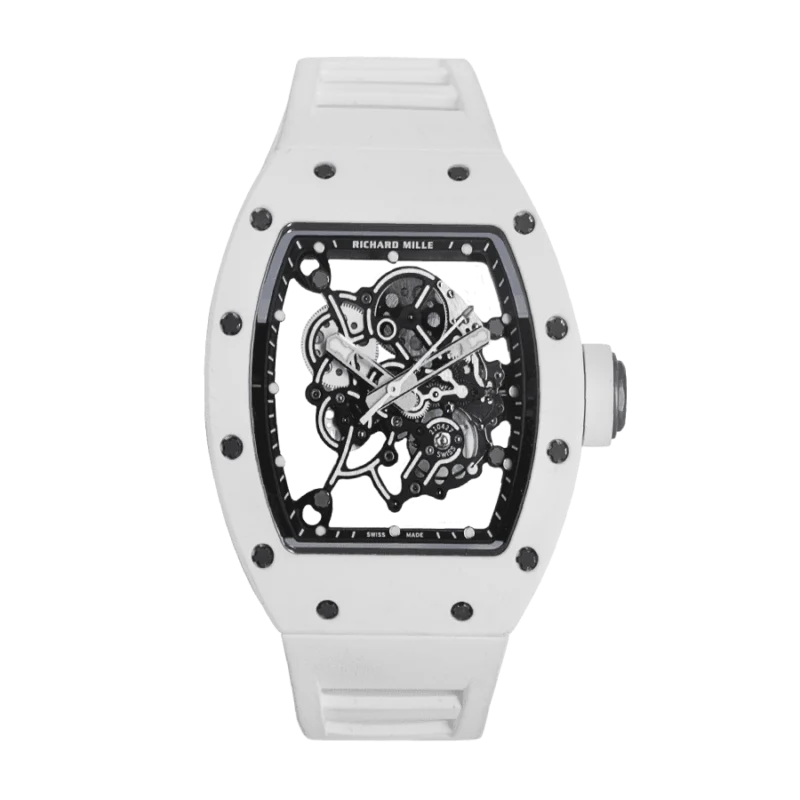
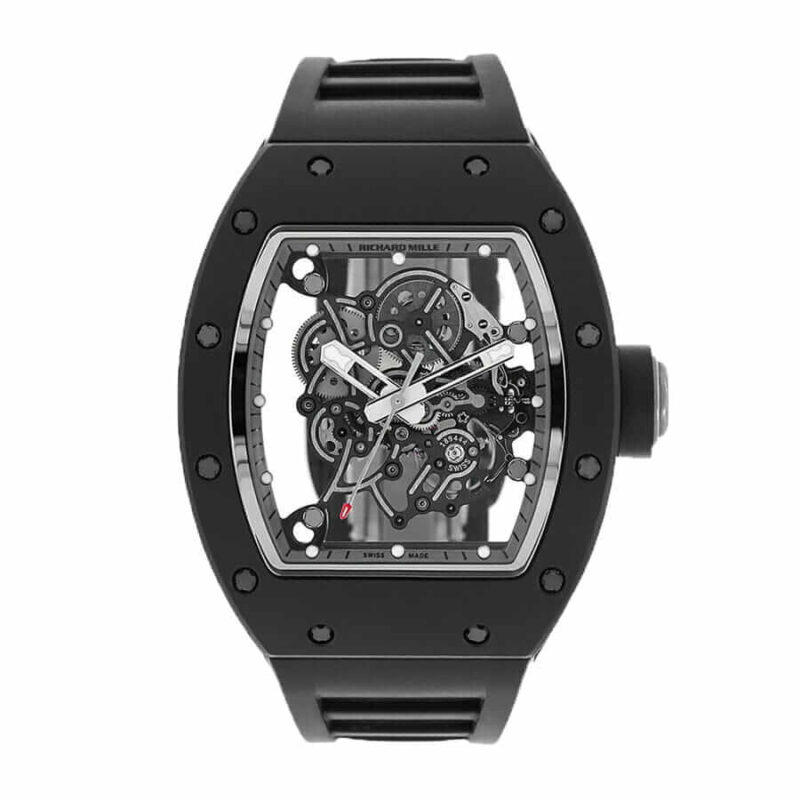
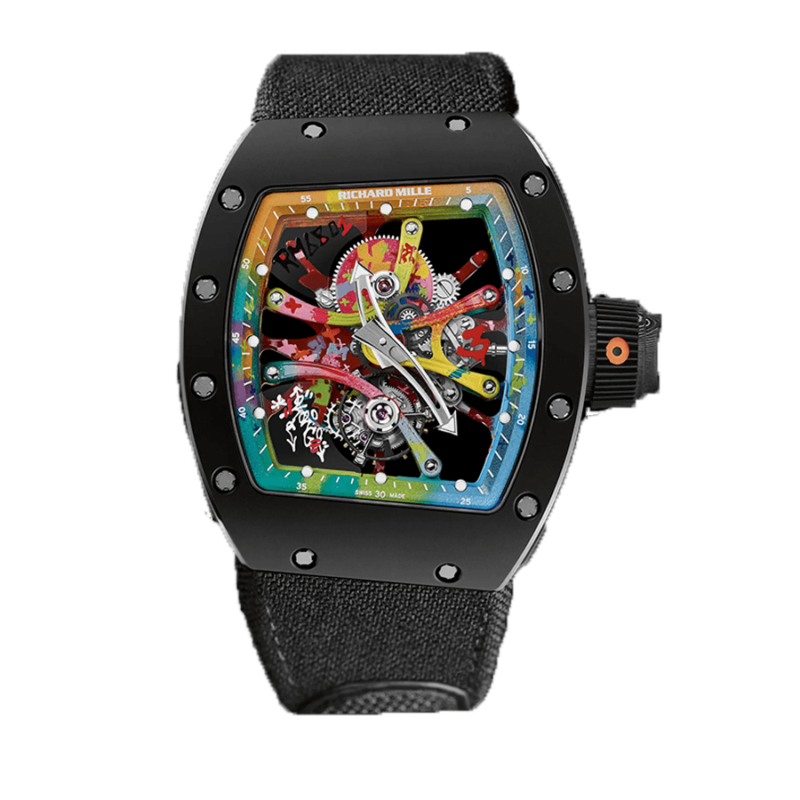
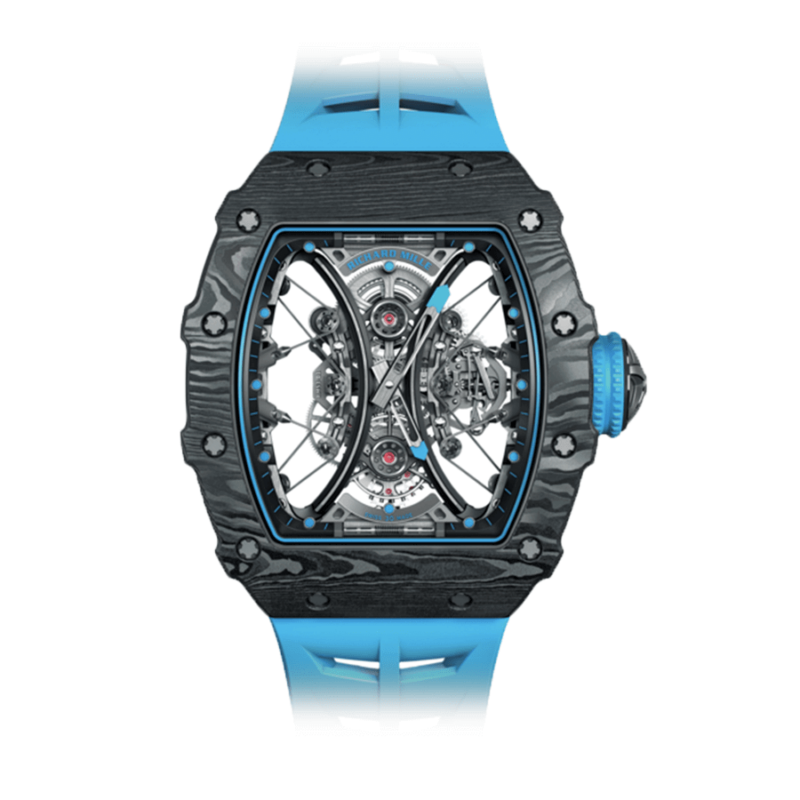
RM61-01 APSF White Ceramic/RU Skeleton Dial on White Rubber Strap RMUL2 Super Clone
$1,450.00 -
 Richard Mille
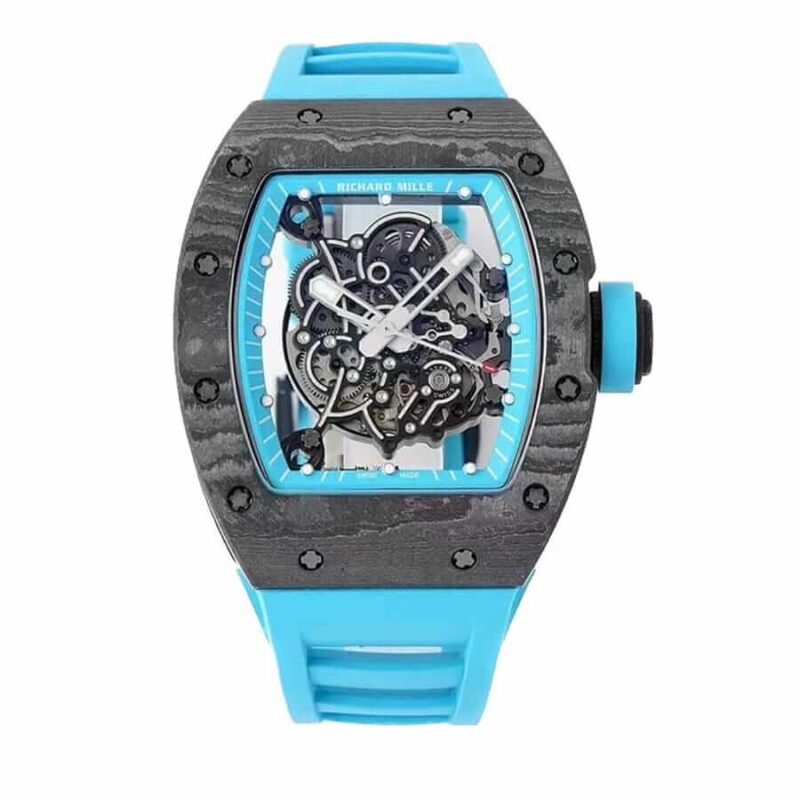
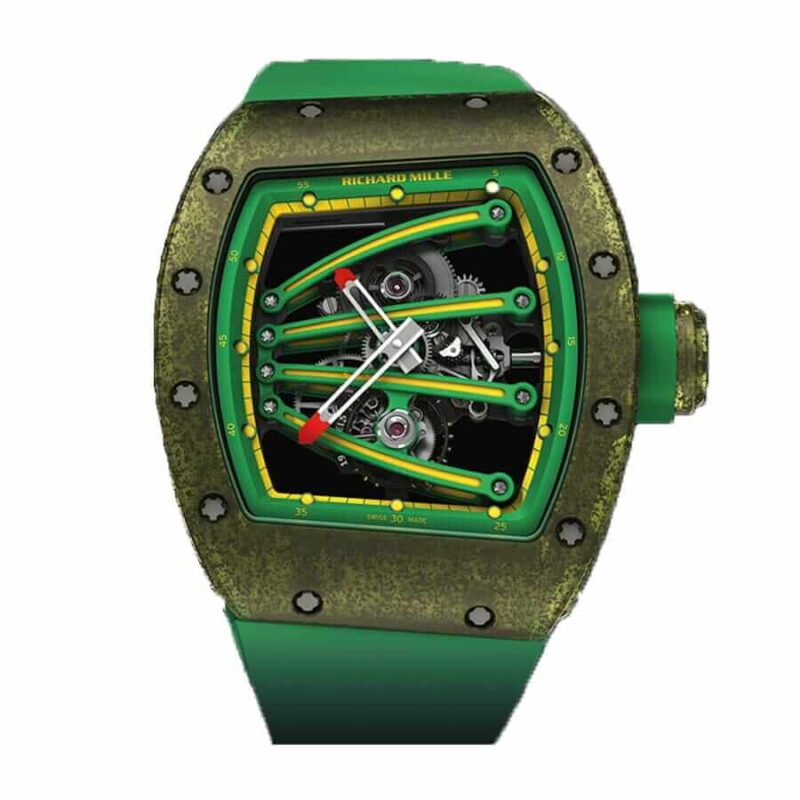
RM61-01 APSF Black Ceramic/RU Skeleton Dial on Green Rubber Strap RMUL2 Super Clone
$1,450.00 -
 Richard Mille
RM61-01 Yohan Blake Rehaut White Bezel on Black Rubber Strap NTPT APSF RMUL2
$1,450.00 -

-

-

-
-
-

-
-

-
-
-
-

-
Richard Mille Super Clone Watches Are About Construction, Not Just Size
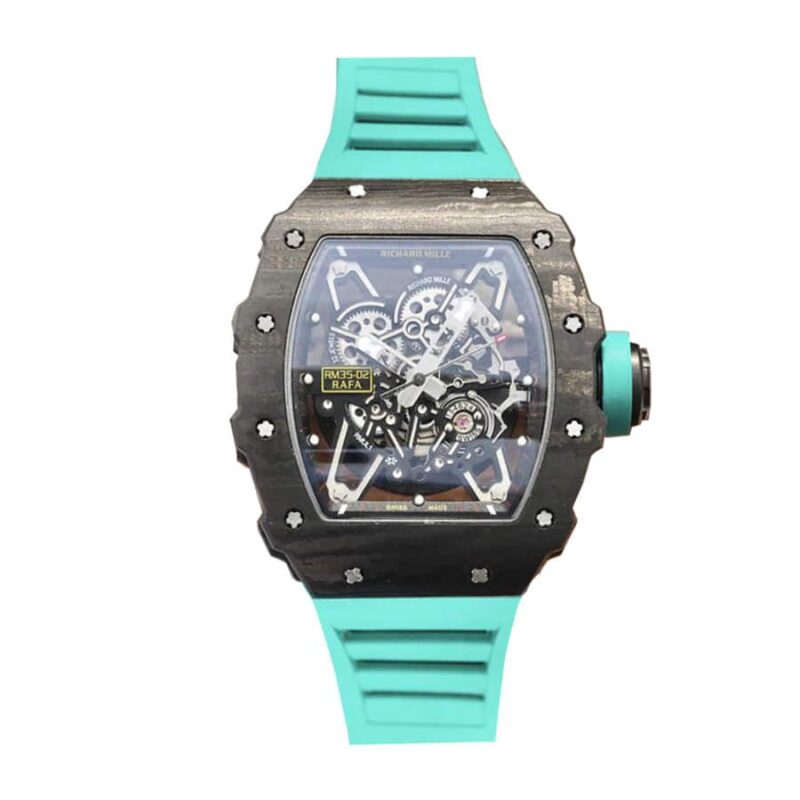
Richard Mille super clone watches are difficult to judge from one front-facing photograph. The case is large, but size alone is not what gives these watches their character. The real comparison is in the construction: the curved case, layered profile, exposed movement, strap fit and the way all of those parts sit together on the wrist.
A watch can have the right general shape and still feel wrong if the case looks too thick, the strap leaves at an awkward angle or the skeletonized movement sits too deep behind the crystal.
That is why we would not start by asking which Richard Mille looks the most complicated. Start with the reference you actually want, then look at how that particular case, movement layout and strap have been executed.
If you are still comparing brands, browse the wider range of super clone watches first. Richard Mille makes more sense once you already know that its oversized cases, exposed mechanics and lightweight feel are what you want.
The Richard Mille Case Has to Work From Every Angle
The front view gets most of the attention because the tonneau shape is immediately recognizable. The side profile is where a lot of the comparison becomes clearer.
Look at the relationship between the upper case, middle section and caseback. The layers should feel intentional rather than like several thick pieces stacked together. A case that carries too much height can make an already large watch feel unnecessarily bulky.
The curvature matters too. Richard Mille cases are not simple flat rectangles with rounded corners. The shape is meant to follow the wrist, which means the underside of the case and the way the strap exits both affect how the watch actually wears.
This is one reason dimensions should not be read in isolation. Two large watches can feel completely different once the case shape and strap angle are taken into account.
Skeletonized Dials Leave Very Little to Hide
A traditional dial can cover most of the movement. Richard Mille designs often do the opposite.
The exposed architecture becomes part of the face of the watch, so spacing, bridges, wheels, hands and decorative elements all contribute to the final appearance.
On a Richard Mille super clone, the first check should be the complete layout rather than one tiny movement component. Does the movement fill the available space naturally? Do the hands remain easy to read against the structure underneath? Does the dial feel layered rather than flat?
Depth matters. A skeletonized display can look convincing in a straight photograph but feel much flatter once the watch is viewed from an angle. Short videos are useful here because they show whether the different levels of the movement become more visible as light moves across the watch.
Color also needs context. Bright bridges, accents and straps can dominate a product image. Make sure the underlying case and movement proportions still work before allowing one strong color combination to make the decision for you.
RM 011, RM 035 and RM 055 Should Not Be Compared With One Checklist
Richard Mille is one of the clearest examples of why model-first comparison matters.
RM 011, RM 035 and RM 055 may all sit inside the same brand category, but they do not create the same visual or mechanical impression. The case layout, movement display, functions and overall wrist presence change with the reference.
That means a strong detail on one model may barely matter on another.
A more complicated reference puts additional pressure on movement layout and operation. A simpler skeletonized design may leave even more attention on case shape, hand placement and the visible architecture behind the hands.
Do not use one generic Richard Mille checklist and assume every model should score well in the same places.
Choose the reference first. Then compare versions of that exact watch.
RM055 Super Clone: Case Weight and Movement Presentation Matter
The RM055 is a useful example because its identity depends heavily on the relationship between the case, exposed movement and strap.
The current RM055 Super Clone listing describes an approximately 50 mm case, lightweight composite construction, skeletonized dial and rubber strap. Those specifications are useful, but the real comparison still happens when you look at how those parts work together.
A large case should not automatically feel heavy. The strap should support the watch without appearing too narrow or leaving awkward gaps around the case. The movement should sit naturally within the opening rather than looking like a small mechanism dropped into an oversized shell.
From the front, check the balance of the movement and hands. From the side, look at the case height and curvature. Then look at the point where the rubber strap meets the case.
Those three views tell you more about an RM055 than a long list of generic quality claims.
Weight Is Part of the Richard Mille Experience
Large dimensions make buyers expect a heavy watch. Richard Mille changes that expectation because many of its designs pair substantial case sizes with materials intended to keep the watch relatively light.
That makes weight distribution worth thinking about, not just total weight.
A watch can be light on a scale and still feel awkward if most of the mass sits high above the wrist. The case shape and strap need to keep the watch settled rather than allowing it to move around constantly.
For Richard Mille super clone watches, comfort is therefore connected directly to construction. The case, strap and clasp all contribute to whether the watch feels intentionally large or simply oversized.
Photographs cannot tell you all of that, but side views and wrist videos give you a much better idea than a single straight product image.
The Strap Is Part of the Case Design
A rubber strap may look simple compared with a metal bracelet, but on Richard Mille it has a lot of visual responsibility.
The strap should leave the case cleanly and follow the wrist without creating an awkward gap. Its width needs to make sense beside the large case, and the clasp should not feel like an afterthought.
Color combinations also change the watch dramatically. A bright strap can become the most visible part of the entire piece, while a darker strap lets the case and movement architecture do more of the work.
That makes strap choice more than a cosmetic extra. It affects the apparent size, balance and overall character of the watch.
When comparing two Richard Mille super clone watches, do not judge the case and strap separately. They need to work as one unit.
Richard Mille Super Clone Movements Need to Be Judged by Function and Layout
With a skeletonized watch, movement information has both a mechanical and visual role.
The movement should perform the functions expected from the reference, but it also needs to look appropriate inside the case. A technically functioning movement can still weaken the watch if its visible architecture looks too sparse, sits at the wrong depth or does not fill the case in a convincing way.
That makes generic descriptions such as “automatic movement” less useful on their own.
Ask what the individual reference is supposed to do. Check winding, hand setting and any additional functions that belong to that model. Then look at how the visible movement sits behind the dial.
One movement designation should not become the entire reason to choose a watch. The movement still has to make sense inside that particular Richard Mille reference.
Finishing Works Differently on Richard Mille Cases
Richard Mille does not depend on one long polished case flank or a simple brushed bezel. The cases often combine different surfaces, exposed hardware, curved sections and layered materials.
That creates a different kind of finishing check.
Look at the consistency of the case edges and the transitions between surfaces. Screws and hardware should sit cleanly within the overall design rather than becoming isolated details that attract attention for the wrong reason.
On darker or composite-style cases, shape can matter more than shine. The outline, corners and transitions still need definition even when polished finishing is not the main visual feature.
Again, video helps. Moving light exposes the case structure in a way that a static photograph often cannot.
QC Is Especially Useful on a Richard Mille Super Clone
Richard Mille designs give QC a lot to cover because so much of the watch is exposed.
Start with the complete watch. Check whether the case sits square around the movement, whether the hands look correctly positioned and whether the strap leaves the case evenly.
Then move closer.
Look at the visible movement components, case screws, crystal condition, hands, markers where applicable, strap fit and clasp. Check the crown and the functions associated with the particular reference.
Do not let the skeletonized layout push you immediately toward extreme macro inspection. The watch still needs to look right as a complete object first.
A tiny variation deep inside the movement may matter less in everyday use than a strap that sits badly, a hand that looks misplaced or a case that feels too tall.
Video Shows Richard Mille Super Clone Watches Better Than One Photo
Few watch designs benefit from movement and changing angles as much as Richard Mille.
A front photograph can show the basic layout. A side photograph can show thickness. Video can show both while also revealing how the case curves, how the exposed movement gains depth and how the strap behaves when the watch is moved.
It also makes the finishing easier to judge because light travels across different surfaces instead of being frozen in one studio position.
Photos are still useful for close inspection. Video adds the part that photographs miss: how the entire watch behaves as a three-dimensional object.
Choosing the Right Richard Mille Super Clone
Start with the model, not the most dramatic photograph.
If RM 011 is the reference you want, compare RM 011 versions. If RM 035 is the design that interests you, keep the comparison there. The same applies to RM 055 and the other references in the collection.
Then decide which case material, color combination and strap make sense for you.
After that, compare movement information and the available versions of the same reference. Finish with QC of the individual watch.
That sequence keeps the research manageable.
A convincing Richard Mille super clone is rarely about one feature. The large case has to sit properly. The exposed movement needs depth. The strap has to support the shape. The watch should feel complex without looking confused.
Reference first. Construction second. Individual watch last.